That cheap rental price can fall apart in about 30 seconds. You see one number on the ad, then suddenly there’s a fuel surcharge, mandatory insurance, equipment upgrade fee, late return penalty, and a security hold nobody mentioned up front. If you want to know how to avoid hidden rental fees, the real move is simple: stop judging the deal by the starting price and start judging it by the final checkout total.
That matters even more in vacation markets like Miami Beach, where rentals are often sold on impulse. Whether you’re booking a jet ski, scooter, boat, or beach gear, hidden charges can turn a fun hour into an overpriced headache. The good news is that most surprise fees leave clues before you pay - if you know where to look.
How to avoid hidden rental fees before you book
The fastest way to protect your budget is to treat every advertised rate as a partial number until proven otherwise. A listing that says “starting at $99” or “from $189” is not necessarily misleading, but it is incomplete. Your job is to find out what that price actually buys, how long it covers, and what conditions trigger extra charges.
Start with the full price breakdown, not the headline. Ask for the out-the-door total before you reserve anything. That means base rate, taxes, insurance, fuel, equipment, deposits, rider or driver fees, damage waivers, and any extra charges tied to timing or usage. If a company can’t give you a clear estimate in writing, that’s a warning sign.
This is where confident operators separate themselves from the pack. Premium rentals should feel premium before you arrive, not just once you’re on the water or behind the wheel. Clear pricing, included safety coverage, quality equipment, and straightforward policies are part of the experience.
The most common hidden rental fees
Not every extra fee is shady. Some are legitimate operating costs. The problem is when they show up late, after you’ve mentally committed to the booking or are already standing at the counter.
Insurance is one of the biggest examples. Some operators advertise a low base rate, then present insurance as mandatory during checkout. That can add a meaningful amount to the total, especially for water sports rentals. If safety coverage is required, it should be disclosed early and clearly.
Fuel charges are another frequent surprise. With vehicle and boat rentals, “fuel not included” can be fair, but the policy needs to be specific. Are you expected to refill the tank? Is there a flat refueling fee? Is the charge based on usage or time? Vague answers usually lead to inflated costs.
Equipment fees also show up often. A rental may sound complete until you learn the life vest, goggles, dry bag, speaker, or upgraded model costs extra. For adventure rentals, included gear should be stated clearly. If the equipment is necessary to use the rental safely, you should know whether it’s part of the package.
Then there are timing fees. Late return penalties, cleaning fees, launch fees, dock fees, convenience fees, and holiday surcharges can all be legitimate in the right context, but they should never feel like an ambush. The more complex the pricing sheet, the more careful you need to be.
Read the policy like you’re looking for a trap
Most people skim rental terms because they assume the important stuff will be explained in person. That’s exactly how hidden fees survive. The fine print is where operators often place the conditions that change the total cost.
Look closely at cancellation rules, refund terms, weather policies, and deposit language. For example, a company may allow online booking with a low advertised rate but make the deposit nonrefundable even if your plans change. Another may advertise an hour-long rental that only includes 45 minutes of actual ride time because of mandatory check-in, briefing, or launch procedures.
Pay attention to wording like “starting at,” “may apply,” “subject to conditions,” or “additional charges could be required.” Those phrases are not automatically bad, but they mean the advertised price is not the whole story. If the company uses broad language without specifics, ask direct follow-up questions.
A good rule is this: if you can’t explain the full pricing structure back to a friend in one minute, it’s probably too murky.
Questions that expose extra charges quickly
If you want a clean answer, ask clean questions. Don’t ask, “Are there any hidden fees?” Most businesses will say no, because they don’t consider disclosed fees hidden. Instead, ask for specifics.
Ask what the total is with everything required included. Ask whether insurance is included or extra. Ask whether fuel is included. Ask whether safety gear is included. Ask whether taxes and processing fees are already in the quote. Ask about the security deposit amount and how long holds take to release. Ask what happens if you return late, if weather changes, or if you want to reschedule.
The tone of the response matters as much as the answer. Transparent operators answer quickly and clearly. Evasive ones tend to give partial explanations, broad ranges, or “we’ll go over that when you arrive.” That’s usually where the real number starts climbing.
Why the cheapest rental often costs more
A low advertised rate grabs attention, but it doesn’t always win on value. In many cases, the cheapest offer becomes the most expensive once you layer in required extras and lower-quality equipment.
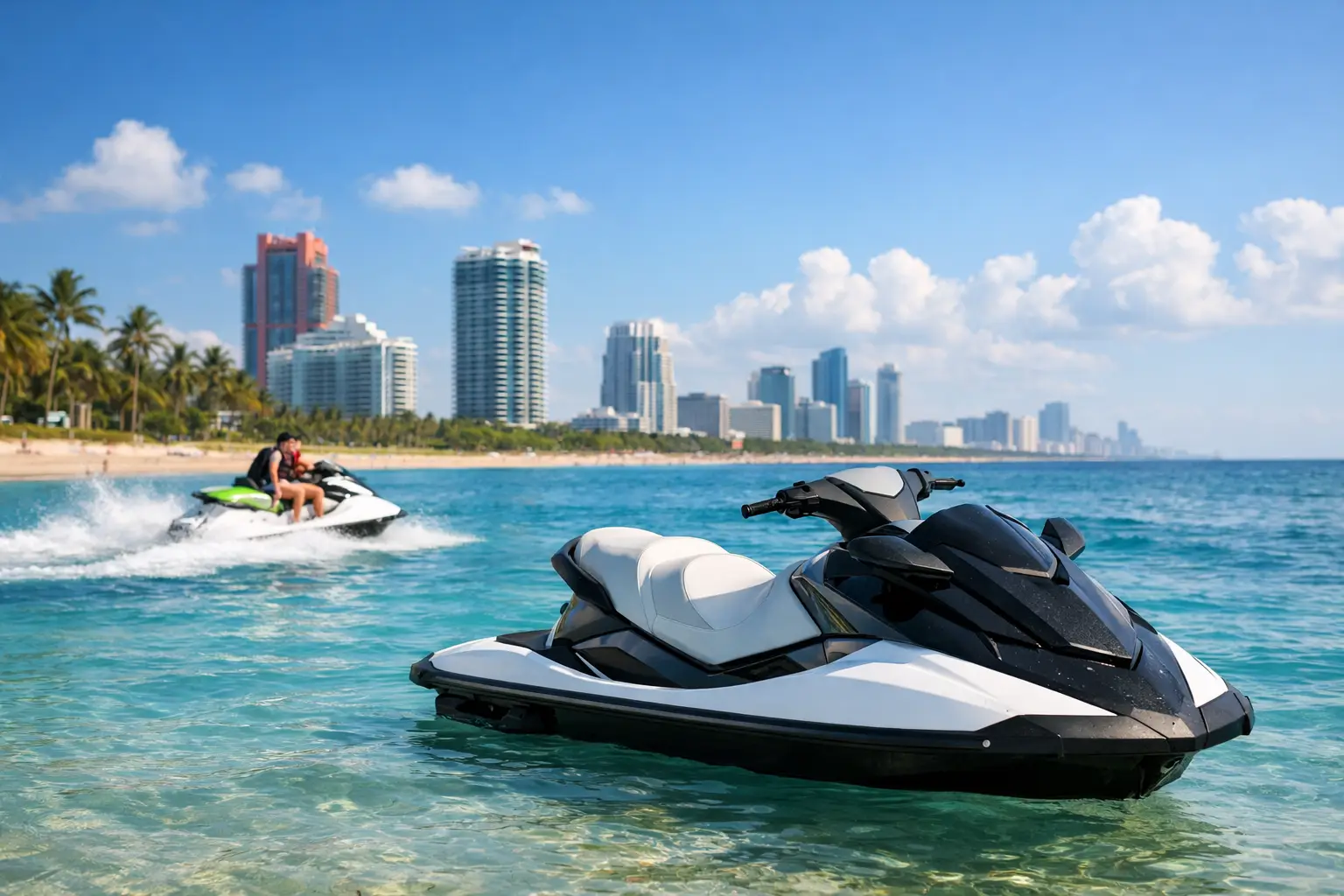
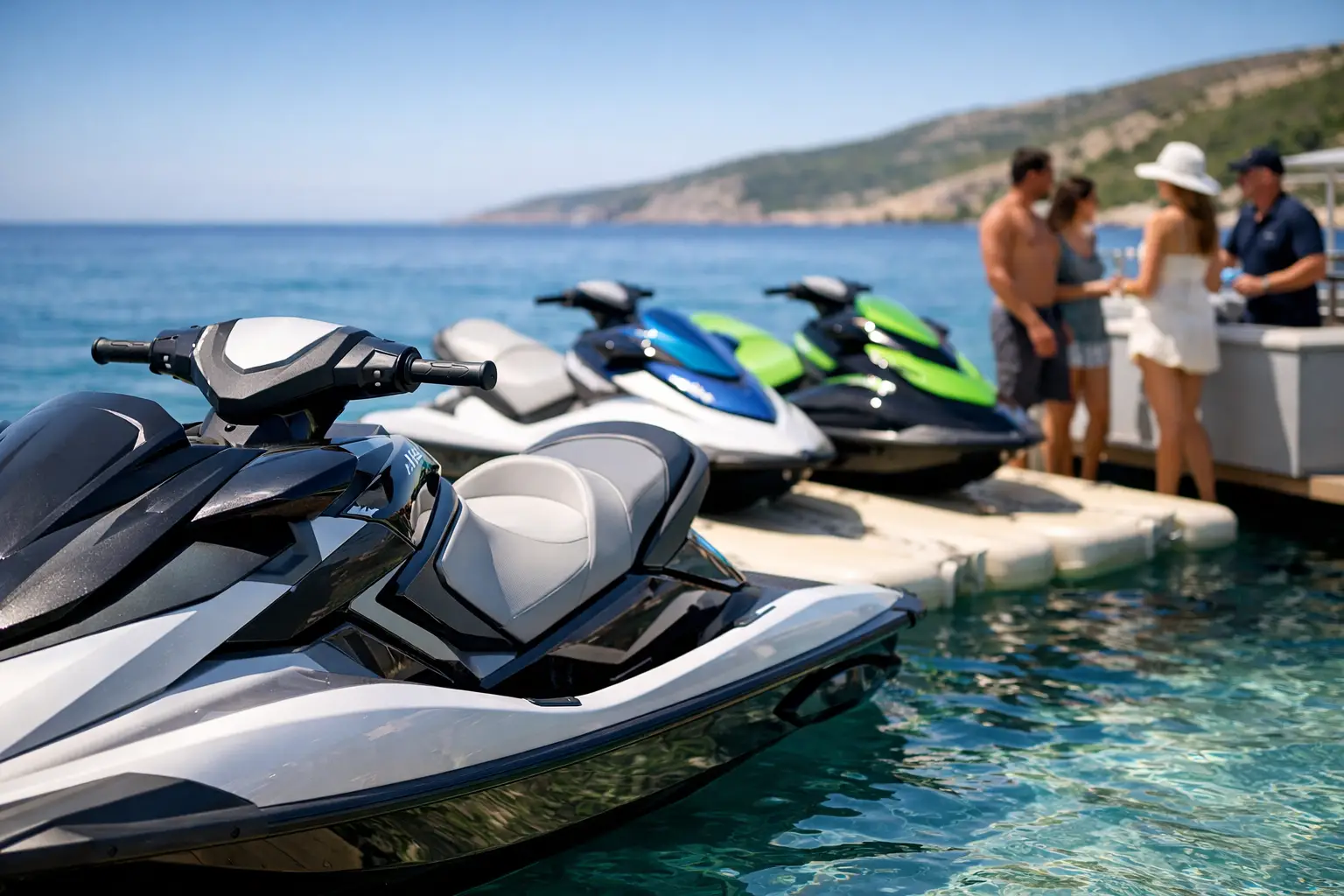
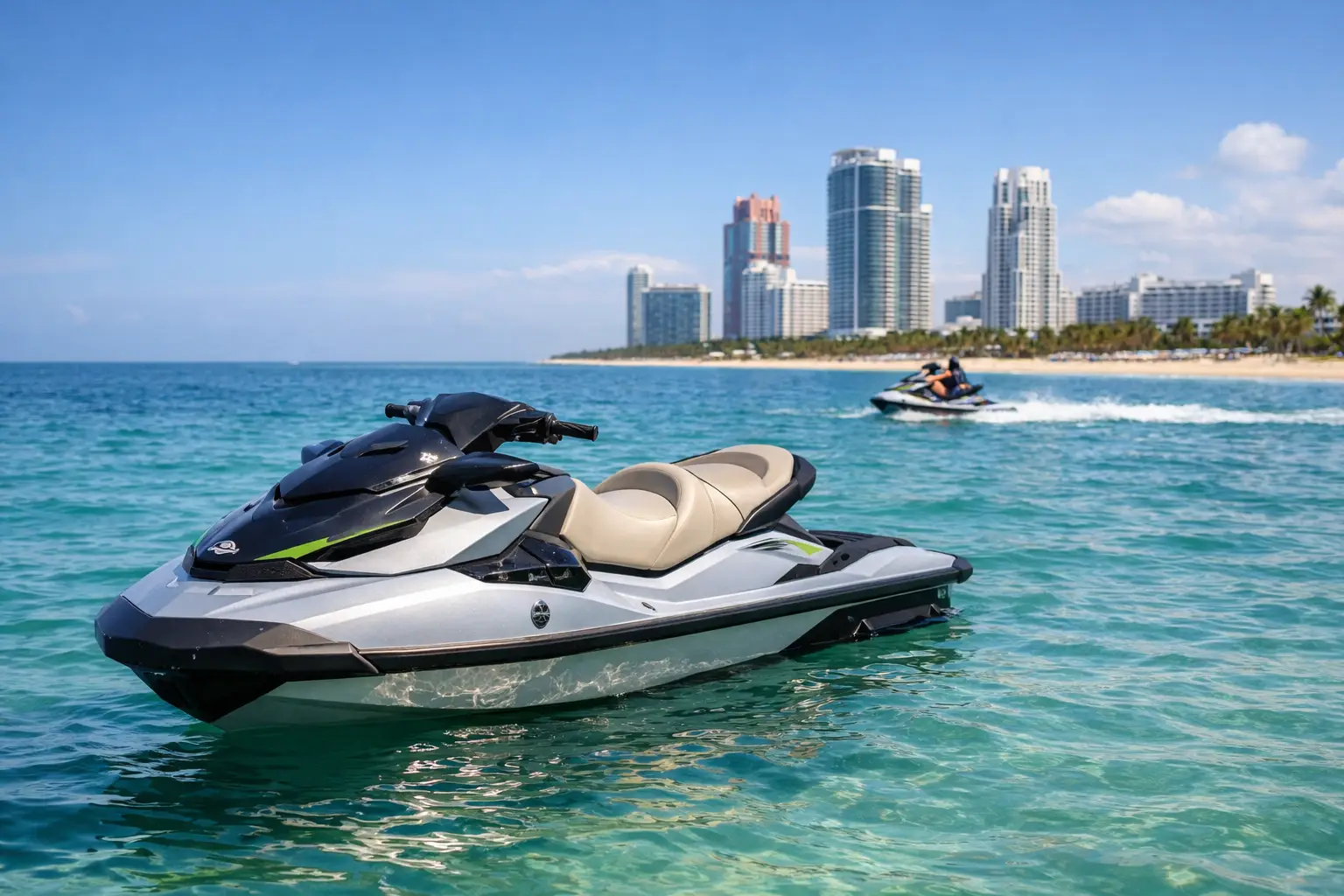
That’s especially true with high-energy recreational rentals. A premium jet ski from Yamaha or Sea-Doo, properly maintained and backed by clear policies, is not the same experience as a worn unit offered at a bargain rate with restrictions and add-ons waiting at check-in. Sometimes the better deal is the company that tells you the real number up front and includes what you actually need.
There’s also a freedom factor. Some operators keep the sticker price low by limiting where or how you can use the rental, then upsell upgrades or add fees tied to access, ride areas, or usage terms. That may look affordable online, but it can make the actual experience feel smaller and more controlled than expected.
How to compare rentals the smart way
The best comparison is not ad price versus ad price. It’s final price versus final price, with the same assumptions. Compare rental duration, a fully insured fleet, equipment quality, required deposits, fuel policy, cancellation terms, and any restrictions on use.
You should also compare what kind of experience you’re paying for. A one-hour rental with premium equipment, safety coverage, GPS tracking, and fewer riding restrictions may be worth more than a cheaper booking that cuts corners or adds friction at every step. Transparency is part of value.
If you’re booking a water sports rental in Miami, this matters even more because the market is crowded and pricing styles vary a lot. Some companies compete by showing the smallest possible number first. Others make the offer stronger by making it cleaner. That’s why many riders prefer providers like Jet Ski Miami 7 that lead with clear starting prices, a fully insured fleet, premium fleet brands, and a more open ride experience instead of building the bill after arrival.
Red flags you should never ignore
If the website has no detailed pricing page, be careful. If customer reviews repeatedly mention surprise charges, be careful. If the company won’t answer basic pricing questions by phone or text, be careful. If the deposit is unusually high and the damage policy is vague, be very careful.
Another red flag is urgency without clarity. Phrases like “book now, details later” or aggressive countdown offers can push people to reserve before they understand the terms. A strong rental business does not need mystery to close the sale.
You should also watch for inconsistent wording across the website, booking page, and confirmation messages. If the ad says one thing but the checkout page adds new mandatory costs, trust the checkout page and keep asking questions. Better yet, pause the booking until the numbers make sense.
How to avoid hidden rental fees and still book fast
You do not need to turn every booking into a research project. The simplest way to avoid hidden rental fees is to choose operators that are built around transparent pricing from the start. Look for clear inclusions, premium equipment, obvious safety coverage, direct answers, and policies that are easy to understand without a legal decoder ring.
Fast booking should not mean blind booking. The right rental company makes both possible. When the total is clear, the equipment is quality, and the experience matches the promise, you can book with confidence and focus on the part that actually matters - getting out there and enjoying it.
A good rental should raise your adrenaline, not your bill after the fact.